
Regional transportation demand management for a livable city

Regional transportation demand management means not only planning traffic, but understanding mobility as part of people’s everyday lives. Different areas of city administration are connected to form a shared strategy for sustainable urban mobility. The goal is to better understand routes, habits, and needs in order to manage traffic more effectively and make alternatives more attractive. Digital applications such as the Klima-Taler app are valuable tools in this context, as they collect data on climate-friendly mobility, create incentives for behavioral change, and make communication simpler and more transparent.
Fields of action and measures for regional transportation demand management
Regional transportation demand management requires holistic thinking. Transport systems are interconnected and influence one another, meaning that measures fall under the responsibility of different administrative departments. The role of a mobility manager helps ensure that multiple departments work toward a common goal. This interface is essential for coordinating measures effectively so they can be implemented efficiently.
The following examples illustrate the wide range of action areas and measures that can be part of a regional transportation concept:
Expansion and modernization of public transport
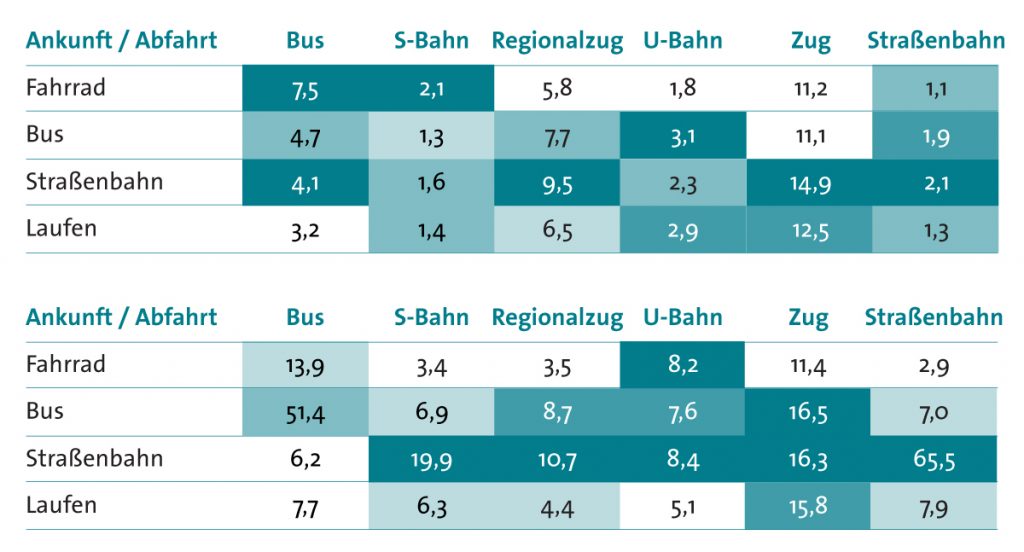
An attractive, accessible public transport system with good frequency and connectivity encourages people to switch to environmentally friendly alternatives. Current mobility data helps identify where transfer waiting times can be optimized and when higher service frequency is necessary—or not. The transition of public transport to electric vehicles can also be part of the concept.
Promotion of cycling
Making cycling more attractive can be achieved in many ways—from well-placed public bike parking facilities and safe cycling infrastructure to bike-sharing services. What matters most to citizens varies individually, which is why decisions should be based on current mobility data. A simple way to obtain such data is through the Klima-Taler app, which distinguishes between different modes of transport.

Safe and accessible pedestrian infrastructure
Pedestrian mobility is often overlooked, even though 80% of trips under 2 km are made on foot. Cities aiming to increase the amenity value of inner cities or move toward a “15-minute city” should prioritize pedestrian infrastructure. Mobility data can help identify areas where people pass through but do not stay—indicating potential to improve the attractiveness of these spaces. Pedestrian routes should be spacious, accessible, and above all safe—something that is often still lacking in practice.
Car-sharing and park-and-ride solutions
Car-sharing is an important component of a regional transportation concept, addressing both moving and parked vehicles. Partnerships with commercial car-sharing providers can help reduce the number of private cars, especially in urban areas with strong transport connections. Parking management is another key measure: repurposing parking spaces, increasing parking fees, or reserving areas for electric vehicles can encourage people to switch to alternatives. To reduce traffic during peak hours, park-and-ride facilities and carpool parking can be effective. More ambitious approaches include car-free zones or entire car-free cities.
Motivation of citizens
A regional transportation concept can only succeed if citizens understand its benefits and are willing to support changes. Digital tools like the Klima-Taler app play a key role in communication and motivation. Through reward systems, citizens are actively involved in transportation planning and encouraged to adopt more sustainable behaviors. This leads to greater acceptance and a shared sense of responsibility for creating a more livable city.
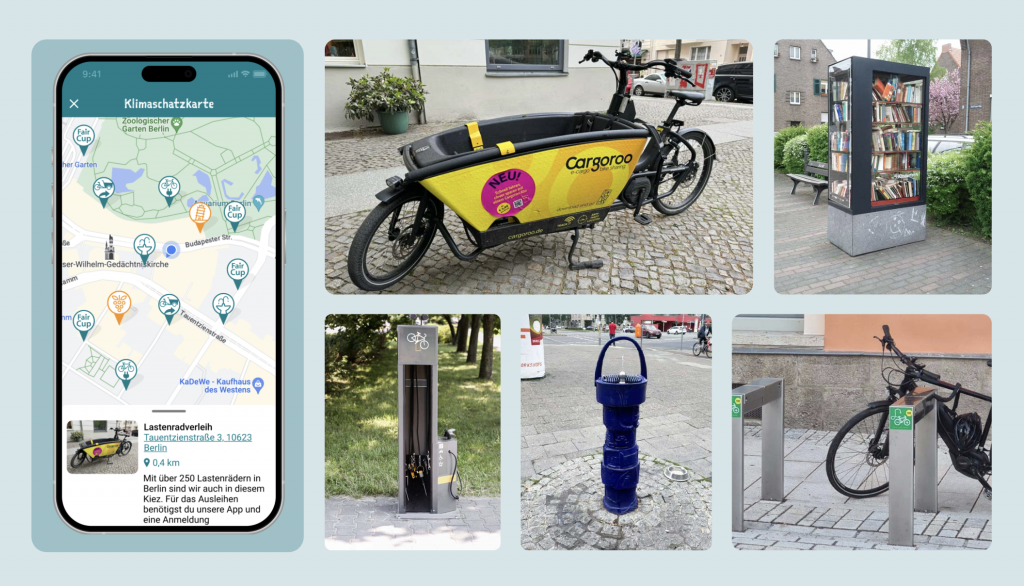
Finally, Klima-Taler app strengthens citizen participation and motivation. Through the reward system, residents are actively involved in the planning and simultaneously encouraged to adopt climate-friendly behavior. The result is greater acceptance and a shared sense of responsibility for the regional transportation demand management
Challenges for regional transportation demand management
Effective mobility management requires rethinking established patterns—both among users and planners. Daily mobility habits are difficult to change, especially since planning structures have long focused on private car use. Measures that rely on information, motivation, and coordination are often less visible than large infrastructure projects and may therefore seem less tangible to decision-makers. Additionally, the concept is still relatively unfamiliar in many administrations. Successful implementation therefore depends on qualified personnel and user-friendly tools like the Klima-Taler app, which provide reliable data for decision-making.
Key takeaways on data-driven regional transportation demand management
Regional transportation demand management requires a strategy that meaningfully connects different fields of action and measures. A data-driven approach, supported by tools like the Klima-Taler app, simplifies transport planning for municipalities. Whether people travel on foot, by bike, car, or public transport, the app differentiates between all modes and provides valuable data across all action areas. At the same time, citizens are encouraged to adopt climate-friendly behaviors and actively contribute to shaping mobility. In this way, regional transportation demand management plays a crucial role in making cities more livable, safer, and future-proof.
If you have any questions about how to successfully implement regional transportation demand management using the Klima-Taler app, feel free to contact us.

Markus Schulz
markus@klima-taler.com
