

The Difference Between the Ecological Footprint and the Ecological Handprint
The key difference between the ecological handprint and the ecological footprint lies in the perspective on our actions. While the ecological footprint measures our negative impact, meaning the damage or resources we consume through consumption, housing, and mobility, the ecological handprint represents our positive potential to shape change.
The footprint shows what we should avoid or reduce, for example eating less meat or flying less often, whereas the handprint focuses on how active engagement can help transform societal structures.
A simple example illustrates this: You reduce your personal footprint by selling your car and traveling only by train. You increase your handprint when you start a petition to expand the regional rail network or become involved in an initiative advocating safer cycling infrastructure so that others can safely switch to bicycles as well.
In short, the footprint is about reducing personal harm, while the handprint is about expanding positive impact for more people than just yourself.
The footprint makes us aware of how we can destroy less, while the handprint shows how we can achieve more together.
How to Reduce Your Ecological Footprint
1. Travel Distances Under 3 Kilometers Without a Car
Mobility has the greatest influence on the ecological footprint and therefore offers significant potential for simple everyday changes. Walking more often, cycling, or using buses and trains not only saves CO2 but also promotes more sustainable urban development.
You could commit to traveling all short distances under 3 kilometers without a car and replace long distance flights with closer destinations that can be reached by train. Carpooling or car sharing are also practical alternatives for lowering emissions.The Klima-Taler app, for example, shows how much CO2 you save. It automatically measures savings and converts every 5 kilograms of saved carbon dioxide into one Klima-Taler. You can also try to use public transportation for as many journeys as possible. For extra motivation, you could join a public transport incentive program and reward yourself for using buses and trains.
2. Reduce Meat Consumption
Your ecological footprint can also be reduced surprisingly easily through diet. According to the German Environment Agency:
“Each person in Germany emits an average of 10.78 tons of CO2 equivalents per year through their lifestyle. Of this, 1.7 tons, or 15 percent, come from food consumption, almost as much as mobility excluding air travel. Nearly 70 percent of food related greenhouse gas emissions come from animal products.”
A study by WWF Germany shows that a vegetarian diet produces around 30 percent fewer emissions and a vegan diet about 50 percent fewer emissions. Trying plant based meals more often or introducing one or two vegetarian days per week can already make a big difference. Discovering new recipes and ingredients is enjoyable and helps you gradually learn how delicious climate friendly food can be.

3. Shop Regionally and Seasonally
The ecological footprint can be noticeably reduced through conscious regional and seasonal shopping. This helps reduce environmental footprint impacts while allowing you to enjoy fresh and flavorful food.
Regionally grown fruit and vegetables require shorter transport routes, saving energy and reducing CO2 emissions. Seasonal cultivation also conserves resources because less heating and storage energy is required. Choosing seasonal products supports local agriculture and often introduces new varieties of fruits and vegetables, bringing more diversity to your diet.

4. Save Heating Energy
Lowering the thermostat by just 1°C saves a surprising amount of energy and therefore CO2. Energy consultants report that several hundred kilograms of CO2 can be saved annually in many households this way.
A significant amount of heat energy is also lost through unnecessary hot water use. Heat generation produces carbon dioxide that can easily be avoided. Taking warm instead of hot showers and turning off the water intermittently can make a substantial difference over a lifetime. Using cold water when washing hands or brushing teeth is equally effective.
If you want simple control over your energy consumption, the Klima-Taler app helps you monitor whether your usage is above or below the average for your household size.
5. Use Green Electricity and Save Power
It is possible to reduce ecological footprint impacts without sacrificing your standard of living when it comes to electricity. You can lower consumption by completely switching off devices instead of leaving them on standby, reducing streaming or cloud storage use, and choosing energy efficient appliances.
Even small changes add up to a noticeable reduction in CO2 emissions over the year, which is good for the climate and often for your wallet as well.
Carbon emissions drop dramatically when switching to a green electricity provider. The difference compared to conventional electricity is significant: according to the German Environment Agency, 1 kWh of electricity generated from lignite produces about 0.95 kg of CO2, whereas wind energy produces only around 0.01 kg of CO2. The more renewable energy used, the easier it becomes to reduce environmental footprint impacts.With the Klima-Taler app, your electricity savings are even more rewarding, as saved CO2 is converted into Klima-Taler credits.

6. Wear Clothes Longer and Buy Secondhand
Fashion production is a well known driver of CO2 emissions because large amounts of energy, water, and raw materials are required to manufacture new clothing. Wearing clothes longer or buying secondhand can significantly reduce ecological footprint impacts.
According to a lifecycle analysis, the environmental impact of reused clothing can be up to 70 times lower than that of newly produced items.
7. Repair or Borrow Instead of Buying New
Everything you buy new has to be produced and transported. If you pause before each purchase to consider whether you truly need the product, you will often realize that not owning it is no real sacrifice. This saves money while helping reduce environmental footprint impacts.
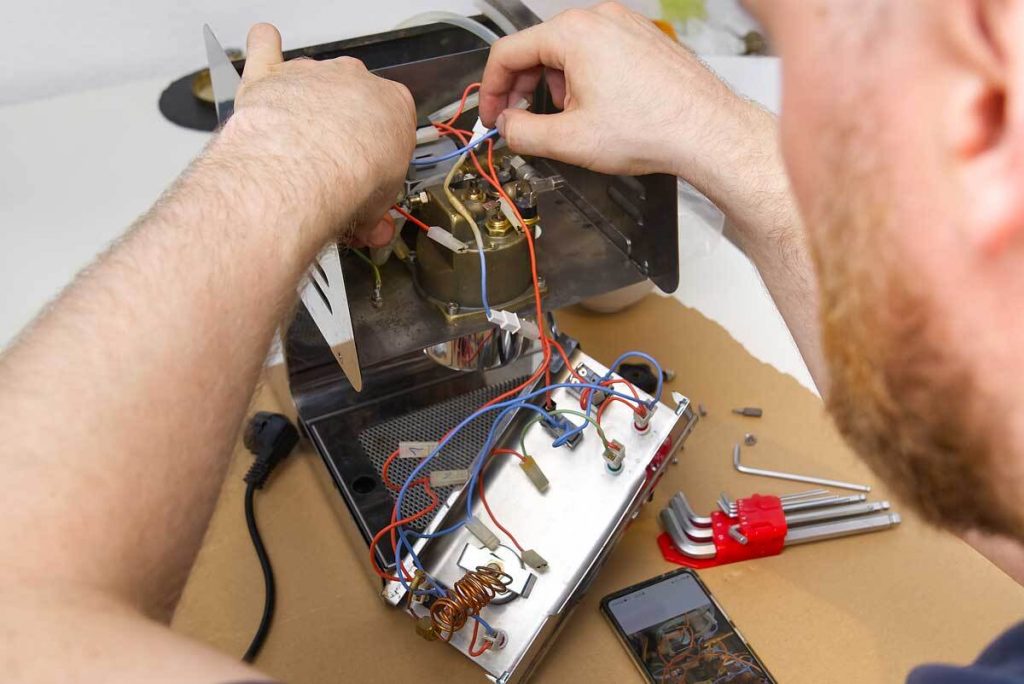
Not every household needs its own ladder, drill, or upholstery cleaner. Many items can easily be borrowed through neighborhood networks. We often replace furniture or everyday items simply for the pleasure of buying, yet caring for and repairing products can be just as satisfying while extending their lifespan and conserving resources.Visiting a repair café to revive a vacuum cleaner or having an old armchair reupholstered at a local workshop can even be more exciting than clicking buy in an online shop. If you want to find nearby repair cafés or climate friendly secondhand locations, check the climate treasure map in the Klima-Taler app, where such places are listed if your city participates as a Klima-Taler municipality.
8. Use Climate Change Action Apps
Make it as easy as possible to reduce your ecological footprint in everyday life. Climate change action apps can help. The article The 7 Best Apps for More Sustainability in Everyday Life provides an overview of useful apps for different needs.
You can use apps focused on specific topics such as sustainable shopping. If you prefer an all in one solution offering climate tips for mobility, shopping, energy saving, and nutrition, multi purpose apps like the Klima-Taler app are the right choice.
Small Steps with Big Impact: Summary
Each of us can reduce ecological footprint impacts significantly through simple everyday changes. Climate friendly mobility, conscious nutrition, energy savings, and sustainable consumption all contribute.
Wearing items longer, repairing instead of replacing, buying secondhand, or switching to green electricity not only conserves resources but can also be enjoyable and cost saving. The Klima-Taler app provides digital support by making savings visible and motivating users through playful elements.
The eight tips show that sustainable everyday actions add up. Many small steps together make a meaningful contribution to climate change action. By making conscious decisions, anyone can reduce environmental footprint impacts while helping protect the climate.
If you are a city or municipality interested in motivating citizens to reduce their CO2 footprint using the Klima-Taler app, please feel free to contact us.

Markus Schulz
markus@klima-taler.com
