
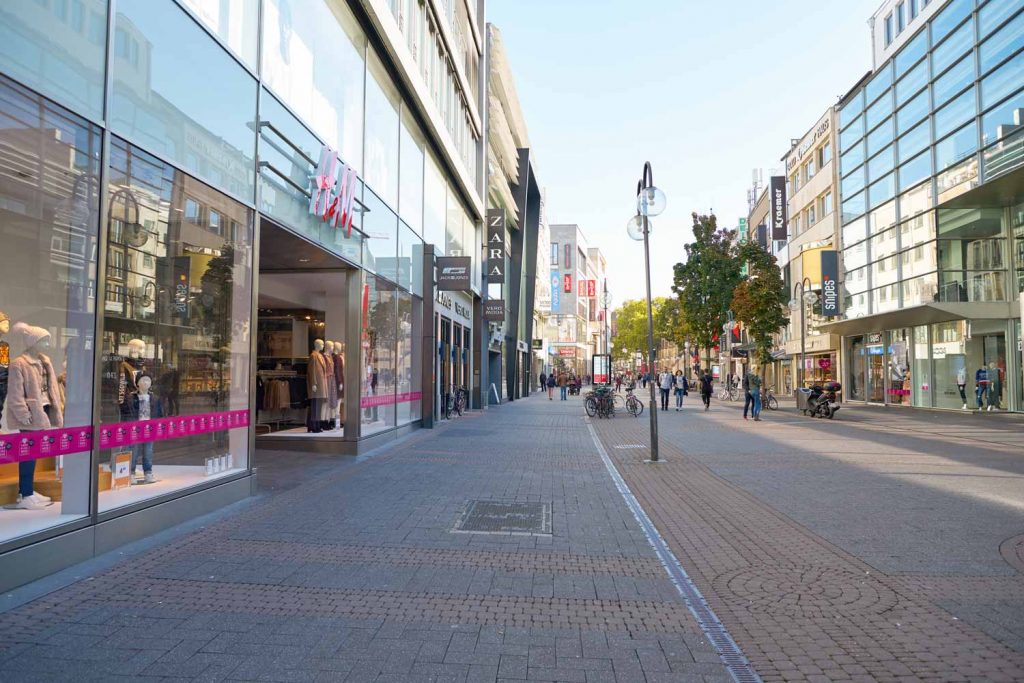
Inner City decline in numbers
Most city centers are monocultures focused purely on shopping. With the growing popularity of online retail, this one-sided concept stopped working. The COVID-19 pandemic accelerated the inner city decline even further. The German Retail Association (HDE) notes that vacancies in city centers are becoming increasingly visible every year: “In 2015, there were still more than 370,000 retail businesses. According to the HDE, by 2025 there will be only about 300,000 left.” The HDE attributes this development to declining consumer confidence and a lack of successors, even for well-performing stores. And Oliver Falck from the ifo Institute states: “In March 2023, private spending in city centers was still 5% below the 2019 level.” These are among the findings of an ifo Institute study for the regions of Berlin, Munich, Hamburg, Stuttgart and Dresden.
Reasons for the decline of city centers and ideas for revitalization
Online retail fueling inner city decline
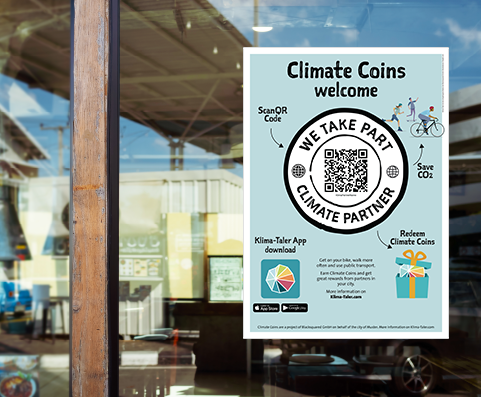
There is an inner city problem mainly because more and more people are shopping online. It is often cheaper and more convenient than shopping in-store. However, there are still many reasons to visit brick-and-mortar shops. But incentives are needed to rediscover the shopping experience with personal encounters and products you can touch and try. Cities can support local retailers in attracting customers back into their stores, for example with concepts that also strengthen regional value creation. Marketing strategies for regional products and services attract visitors. There are also easy-to-implement measures with significant impact, such as joining the Klima-Taler network. The Klima-Taler app connects modern climate protection with supporting local retail.

Changing consumer behavior
Customers are spending less money in brick-and-mortar retail and more on services, travel and digital offerings. The logical consequence is that city centers must offer more than just shopping opportunities. Mixed-use concepts are needed. Restaurants, children’s play areas, cultural and recreational offerings are good reasons to spend time in the city center. Ideally, everything needed for daily life is easily accessible within short distances. Those who want to learn more can find a full article on the 15-minute city concept.
Vacancies and lack of diversity
Closed shops mean less variety, which leads to fewer visitors, which in turn results in even more vacancies—a vicious cycle that ultimately leads to city center decline. There are various ways to counteract this. Local retail can be supported in targeted ways, ideally with measures that simultaneously increase the amenity value of inner cities. One such option is the Klima-Taler app. Retailers, municipal institutions and restaurants can showcase offers and discounts for their products and services. Users collect Klima-Taler through climate-friendly behavior and redeem them locally. The app literally guides customers directly into stores. Such incentives create positive experiences in the city center and motivate people to return. Additional measures to combat vacancies include facilitating pop-up stores and regulating rents.
Stopping city center decline with short distances
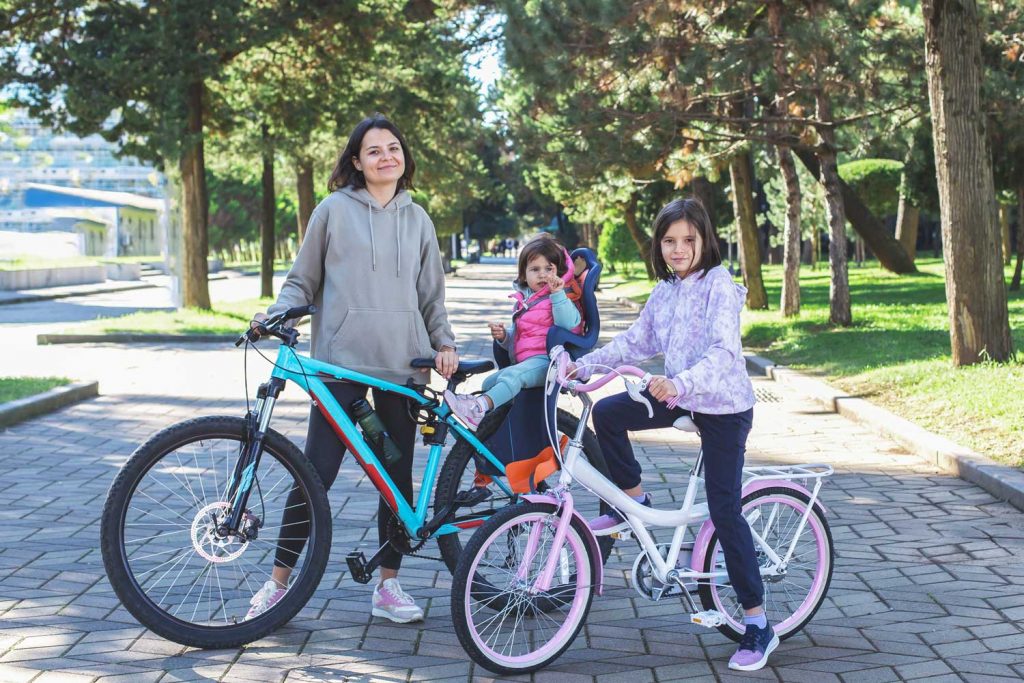
Too few parking spaces, high parking fees or poor public transport are discouraging barriers to visiting city centers. Half-hearted concepts for car-free cities are counterproductive and do not stop urban decline. Simply making driving unattractive through expensive parking is not enough. Good alternatives must be provided to make reaching the city center convenient. Anyone wanting to stop inner city decline must invest in green mobility. This includes safe cycling infrastructure and well-developed, frequent public transport. Pedestrians are often forgotten, although they are especially important in inner cities. Wide sidewalks and inviting public spaces bring life back to city centers.
Better amenity value makes city centers more attractive
Inner city decline is also encouraged by a lack of green spaces and seating, as well as poor cleanliness and safety. Wide sidewalks and green, inviting squares encourage relaxed strolls through town. When city centers are designed around human needs rather than car traffic, amenity value increases and cities become more attractive again. Good lighting and clean streets and squares also enhance the experience.
Regionality supports climate protection
Combating inner city decline is also an important contribution to municipal climate protection. Climate-friendly behavior often strengthens regional value creation and thus supports local retail. Those who buy regional products support goods with a significantly lower CO2 footprint than imported ones. If people travel to the city center in a climate-friendly way, in-store shopping is naturally also more climate-friendly than online shopping—especially since parcels are often delivered multiple times and frequently returned.

Key strategies against inner city decline summarized
To stop the inner city problems, cities need diverse uses instead of pure shopping monocultures, combined with incentives for local retail and innovative concepts such as apps or regional marketing initiatives. Increasing amenity value through green spaces, seating, cleanliness and safety is also essential to attract people back to city centers. At the same time, urban cores must be easy to reach—through reliable public transport, safe cycling and walking infrastructure, and short, climate-friendly routes. Flexible solutions for vacancies, such as pop-up stores and fair rental structures, also help ensure that city centers remain lively, diverse and future-proof.
If you have any questions about how to use the Klima-Taler app as part of your strategy against the decline of city centers, please feel free to contact us.

Markus Schulz
markus@klima-taler.com
